The Illusion of Easy Money
One of the most pervasive myths surrounding casino gambling is the belief that anyone can walk in and easily win large sums of money. This misconception is often fueled by stories of individuals hitting jackpots or winning big from a single bet. However, the reality is that gambling games are designed with a house edge, which means that over time, the casino is statistically favored to profit. While it is possible for players to win, those who choose to kemas kini mega888 often find themselves better equipped and informed in their gaming strategies, making consistent long-term success more attainable.
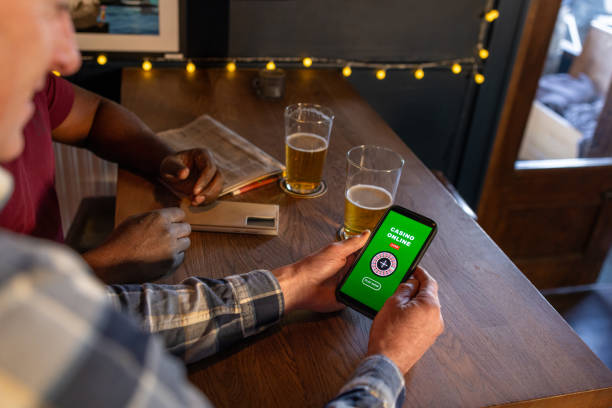
In addition to the mathematical principles at play, emotional factors also play a role in the perception of easy money in casinos. New players may be drawn in by the excitement and glamour of the environment, influenced by personal anecdotes or even media portrayals that glamorize the idea of quick wealth. This can lead to unrealistic expectations when they begin to gamble, often causing more frustration than fulfillment as they navigate the complexities of various games and their odds.
Understanding that gambling should be viewed as a form of entertainment rather than a source of income is crucial. By maintaining a realistic perspective, players can make more informed decisions about their budgets and game choices. This shift in mindset can promote a healthier approach to gambling, allowing individuals to enjoy the experience without the burden of financial stress or disappointment.
The Role of Luck vs. Skill
Another common myth is the belief that success in gambling is purely based on luck. While luck undeniably plays a significant role in games of chance, many casino games also incorporate elements of skill that can influence outcomes. For instance, poker is a game where understanding strategy, psychology, and probability can greatly enhance a player’s chance of winning. Players with a deep knowledge of the game can leverage their skills to outperform those who merely rely on luck.
Conversely, games like slot machines are often perceived as purely luck-based, as the outcome is determined by random number generators. However, even in these games, players can enhance their experience by choosing machines with better odds or understanding payout structures. The blend of luck and skill varies across different games, and recognizing where skill can come into play is essential for anyone looking to improve their gambling experience.
Moreover, even in games largely driven by luck, experienced players often develop strategies to maximize their enjoyment and minimize their losses. This involves setting budgets, practicing discipline, and understanding the odds associated with each game. By blending knowledge and skill with an awareness of luck’s role, players can navigate the gambling landscape more effectively and responsibly.
The Casino Environment and Player Psychology
The atmosphere of a casino is meticulously designed to enhance the gambling experience. Think bright lights, engaging sounds, and a buzz of excitement that immerses players in an environment that encourages spending. This environment can influence player behavior in significant ways, often leading to increased betting and prolonged gaming sessions. Understanding how casinos capitalize on this psychology can help players recognize when they might be getting swept away by the excitement.
Additionally, casinos often employ various techniques to keep players engaged. This may include offering complimentary drinks, loyalty programs, and even free play credits, all designed to create a sense of value and belonging. While these incentives can enhance the experience, they can also lead to players losing track of time and money spent. Recognizing these factors can help players maintain a clearer perspective of their gambling activities.
Ultimately, being aware of how the casino environment can influence personal decision-making is vital. Players should set limits for themselves, both in terms of time and money, to avoid falling prey to the immersive tactics employed by casinos. By maintaining awareness and discipline, individuals can enjoy the thrills of gambling without the risk of compromising their financial well-being or overall enjoyment.
The Myths Surrounding Gambling Addiction
Gambling addiction is often shrouded in stigma and misunderstanding, leading to myths that can perpetuate harmful stereotypes. One common misconception is that only certain types of individuals develop gambling problems. In reality, anyone can experience gambling addiction, regardless of their background or lifestyle. Factors such as personality traits, family history, and social environments can all contribute to a person’s vulnerability to gambling issues.
Moreover, many believe that gambling addiction is purely about losing money; however, it is much more complex. It often involves emotional and psychological components, such as the thrill of risk-taking and the desire to escape from life’s pressures. Recognizing that gambling addiction manifests differently in each individual is crucial for understanding its impact and developing effective prevention or treatment strategies.
Addressing gambling addiction requires a compassionate approach, focusing on awareness and support rather than judgment. Resources are available for those impacted, including counseling services, support groups, and educational programs aimed at prevention. By fostering an informed dialogue about gambling addiction, society can better support individuals and families navigating these challenges, ultimately reducing stigma and promoting healthier gambling behaviors.
Responsible Gambling and Resources
Understanding the myths surrounding casino gambling is essential for fostering a culture of responsible gambling. With the rise of online casinos and digital gaming platforms, the accessibility of gambling has increased dramatically. This heightened access emphasizes the importance of educating players about responsible gambling practices, ensuring they are informed and empowered to make safe choices. Players should engage in self-assessment regarding their gambling habits and set clear limits on their spending and time spent gambling.
Many reputable casinos and online gaming sites provide resources for players to identify and address potential problem gambling behaviors. These may include self-exclusion programs, cooldown periods, or links to external support services. Players should take advantage of these resources to develop healthy gambling habits and seek assistance if they begin to feel overwhelmed by their gambling experiences.
Additionally, raising awareness about the importance of responsible gaming practices among peers can contribute to a supportive community. By sharing information and experiences, individuals can help one another navigate the complexities of gambling while promoting safer practices. Ultimately, understanding the myths and realities of casino gambling empowers players to engage in the activity responsibly, leading to a more enjoyable and sustainable experience.
